
How Deep Are Sprinkler Lines Buried?
How deep are sprinkler lines? Most residential lines sit 6 to 12 inches below the surface, and 4 inches is the shallowest they should ever be. That range exists because pipe needs enough soil on top to stay safe from mowers, shovels and shifting ground, yet it has to stay shallow enough for a technician to reach it when something breaks. If you are about to plant a tree, set a fence post or lay a patio in a yard with a sprinkler system, those few inches decide whether your shovel finds dirt or pipe. Here is what sets the depth and what to do before you dig.
How Deep Sprinkler Lines Are Typically Buried
Sprinkler lines in a home yard usually run 6 to 12 inches deep. Most sprinkler professionals put the minimum at 4 inches, with 8 inches as a typical average and 12 inches as the upper end. So if you have wondered how deep should sprinkler lines be, that spread is the honest answer, because the right depth depends on which part of the system you are standing over.
Lines that feed spray heads sit on the shallow side, often close to 4 inches. Spray heads run on lower pressure, and the pipe only has to reach a short riser. Rotor zones and mainlines usually go deeper, 8 inches or more. They carry more pressure and more water, so they get extra soil on top for protection. The mainline that feeds your valves is the pipe you least want to meet with a shovel.
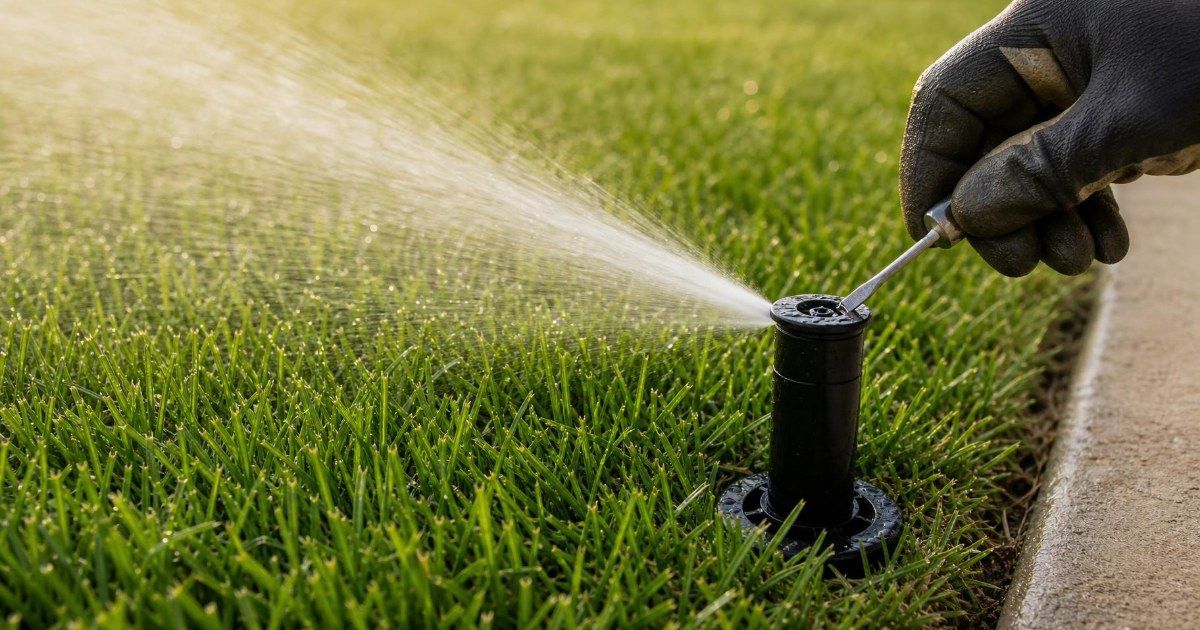
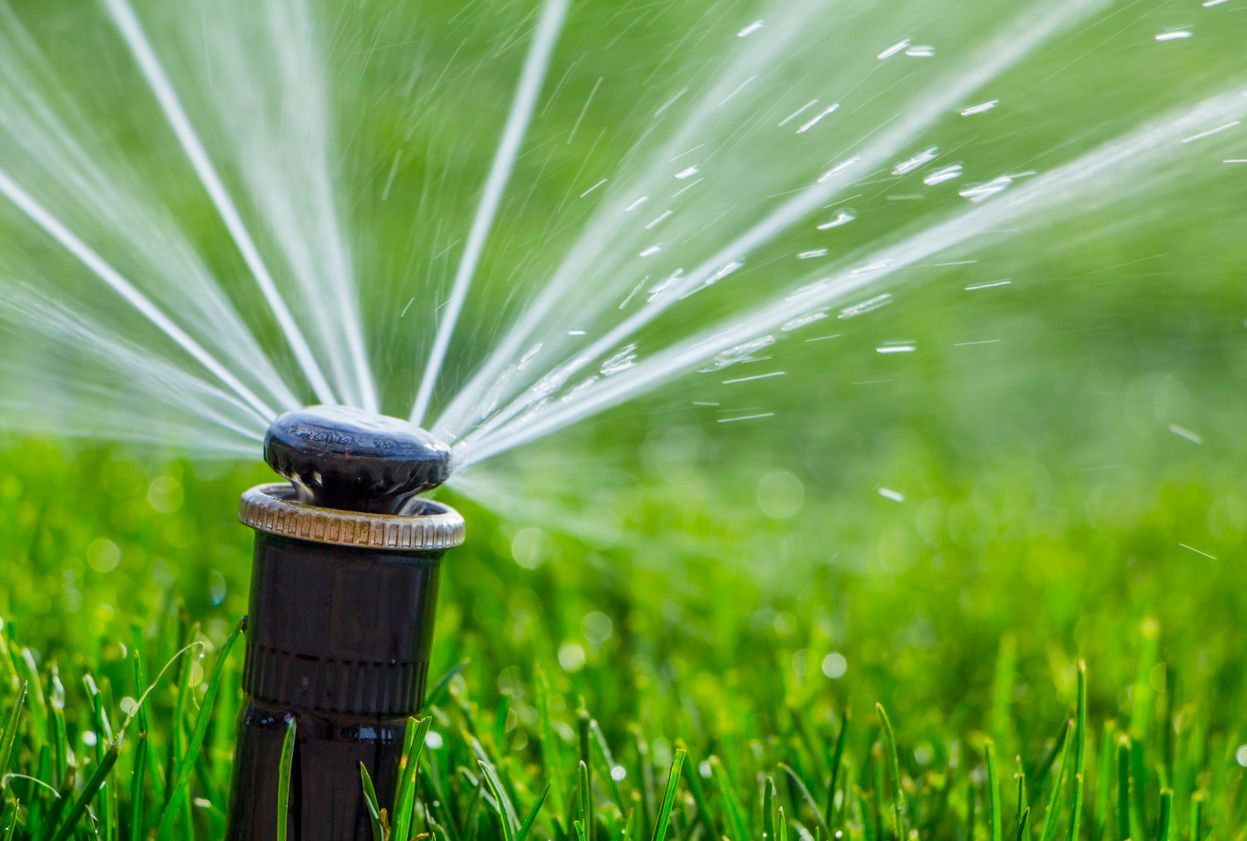
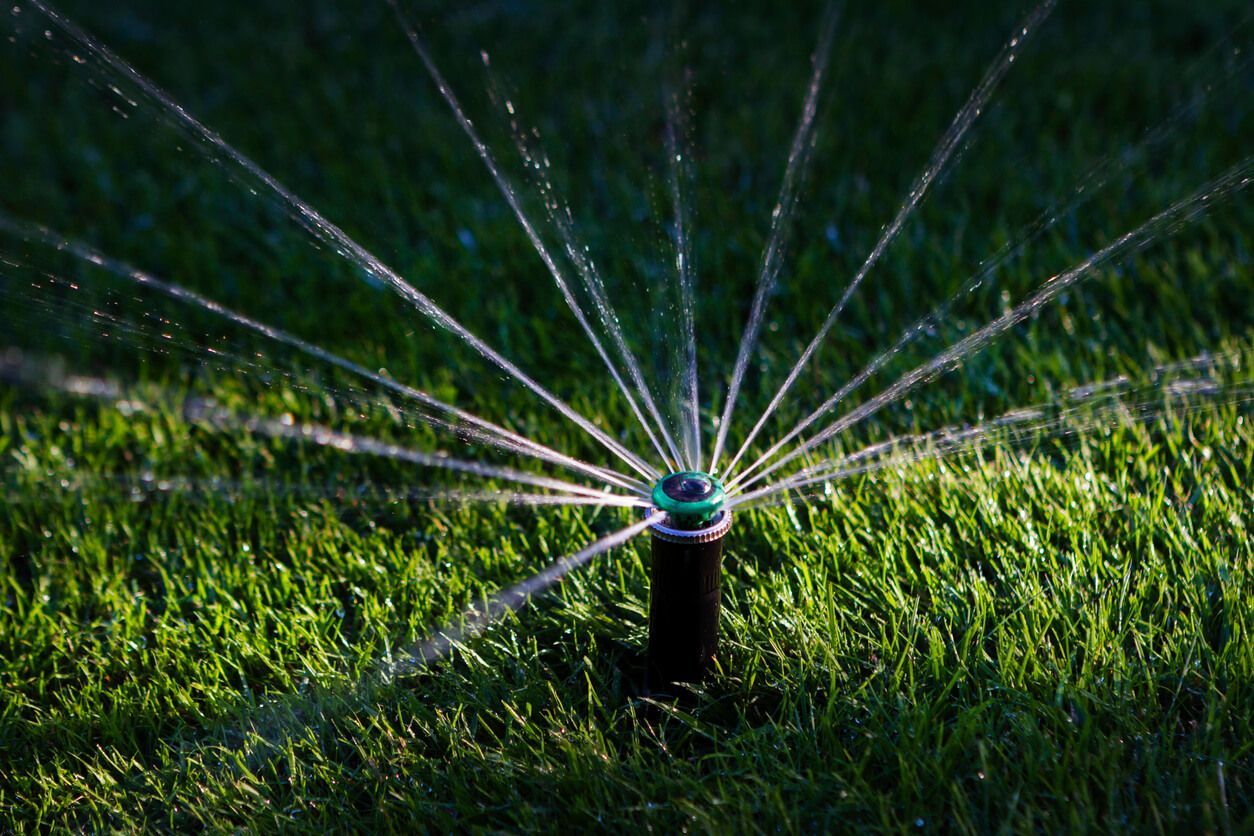
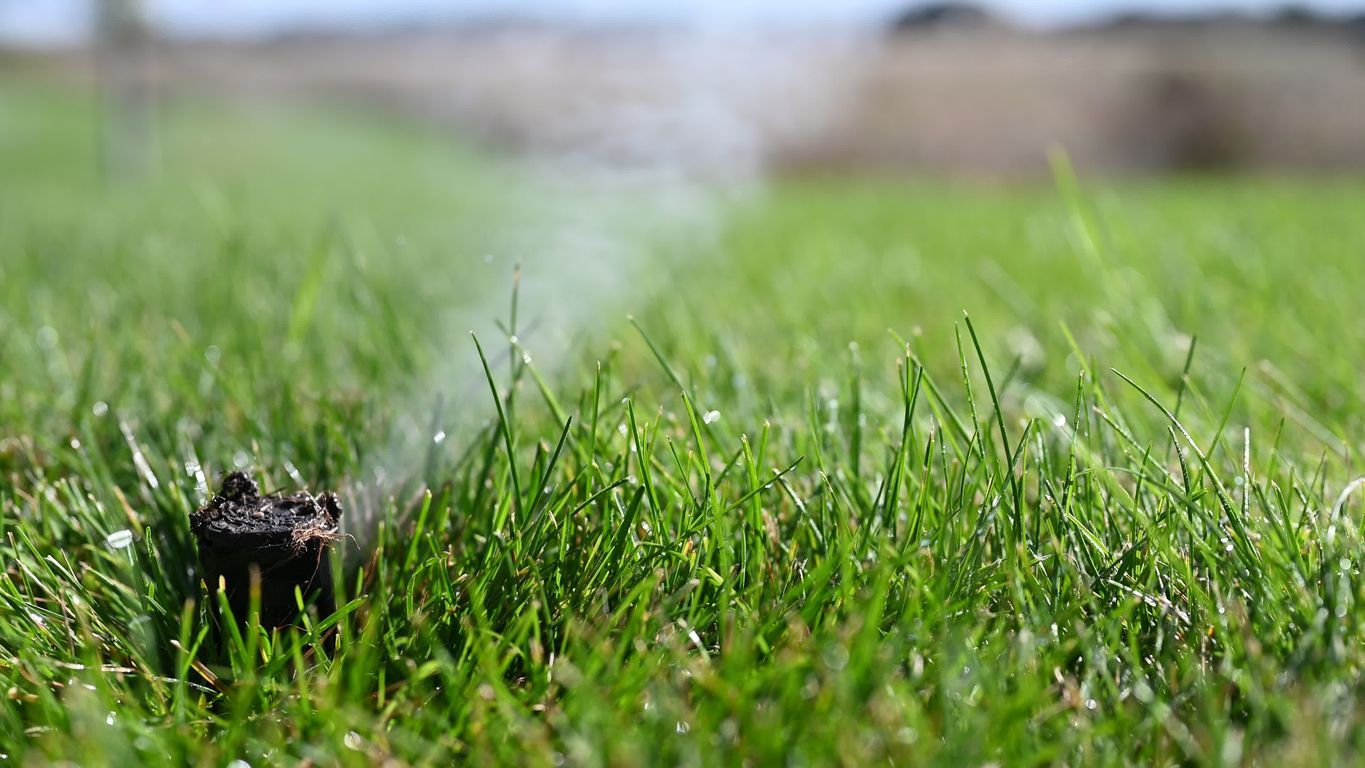
The heads themselves sit flush with the ground or about 1/4 inch above it. A head at the surface says very little about the pipe under it, since depth can shift across a single yard where the grade changes, near a driveway, or where a line crosses a planting bed. A line that measures 6 inches in one corner of your lawn can run 10 inches in another.
Why the Depth Varies
Three things move a line up or down within that range: the size of the pipe, the soil, and the climate.
Pipe size comes first because a larger pipe needs a deeper trench to keep soil cover over its top. The next section covers the math. Soil comes second. Sandy or loamy soil drains well and shifts easily, so installers often bury lines deeper in it. Dense clay holds its shape and packs tightly around a pipe, which lets lines sit a little shallower. Clay-heavy ground is common around San Antonio, and it also swells when wet and shrinks in dry spells, which is one more reason cover over the pipe matters.
Climate is the third factor, and it carries the most weight in cold regions. In places with long hard winters, installers bury lines below the frost line so water inside the pipe cannot freeze and split it. San Antonio winters are mild, and a hard freeze arrives only now and then with a passing winter storm. Here, the depth of a line comes from pipe size and soil far more than from freeze protection. That is also why our seasonal winterization service drains and shuts down a system ahead of a cold snap instead of relying on depth alone.
Commercial systems are a different case. Larger pipe and heavier traffic over the ground push those lines deeper than a typical home setup.
Pipe Size and Risers, in Plain Terms
Sprinkler line depth has a simple floor: the pipe's diameter plus about 4 inches of soil on top. A 1-inch line needs at least 5 inches of cover, and a 1 1/4-inch line needs a little more. Once you add room for fittings and the way trenches settle, most residential lines end up 8 to 12 inches down.
A riser is the short connector between the buried line and the sprinkler head. The line stays at its protected depth, and the riser climbs from the pipe up to the surface so the head sits at grade. A deeper line means a longer riser, and a shallower line means a shorter one. Spray heads on short risers pair with shallow lines. Rotors on taller risers pair with deeper ones.
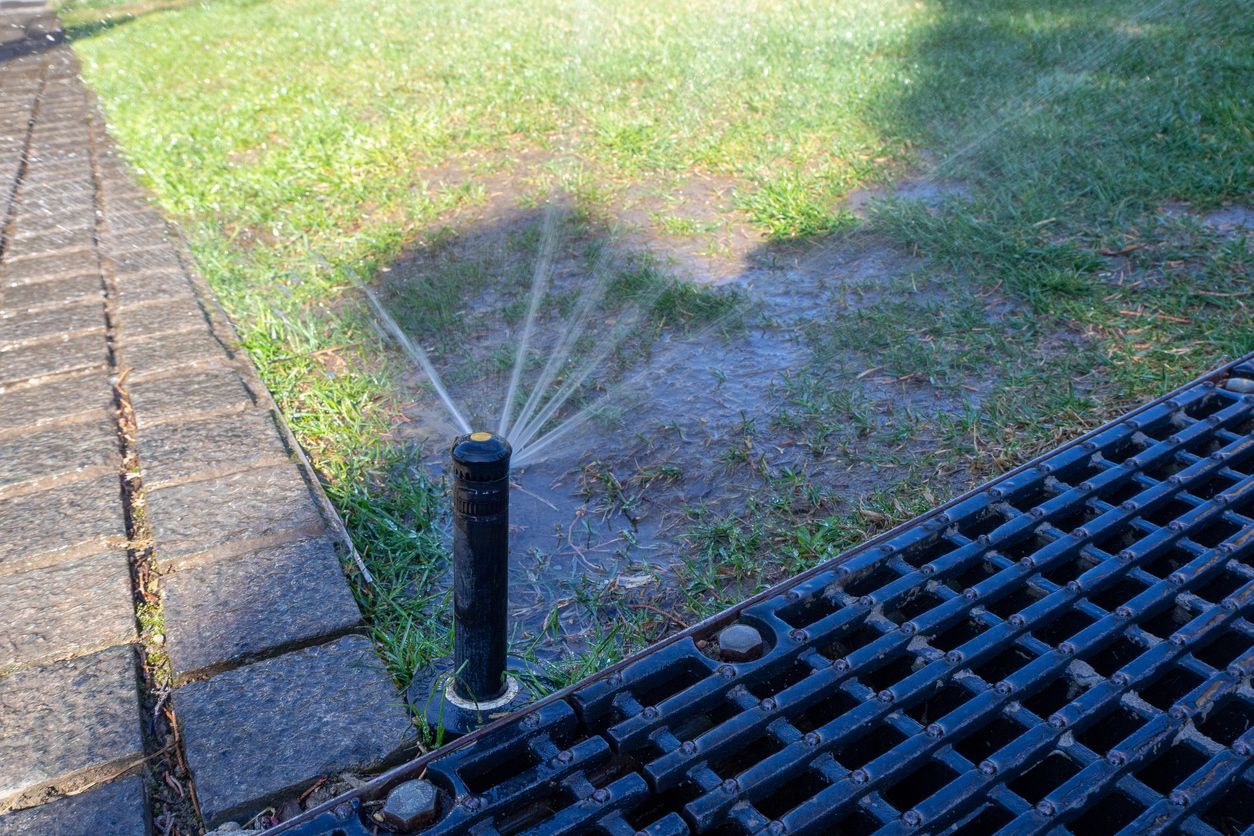
This is also why a head that sits above or below the lawn surface does not mean the pipe has moved. The riser may have shifted or the soil around it may have settled, and a repair visit usually resets it.
Before You Dig Near Existing Lines
Texas law requires you or your contractor to contact 811 at least two business days before you dig, even in your own backyard. The projects that call for it include sprinkler system installation, building or repairing a fence, landscaping and any chore that needs a shovel below the surface. Planting a tree or setting posts near an existing sprinkler system falls under that same rule.
The call is free. Utility owners fund the service and send crews to mark their buried lines with paint or flags, so you know where to avoid. A fence post hole or a tree hole runs far deeper than any sprinkler line, which means it can reach other buried utilities too. If a contractor handles the work, the contractor makes the call, and you can ask for the ticket number.
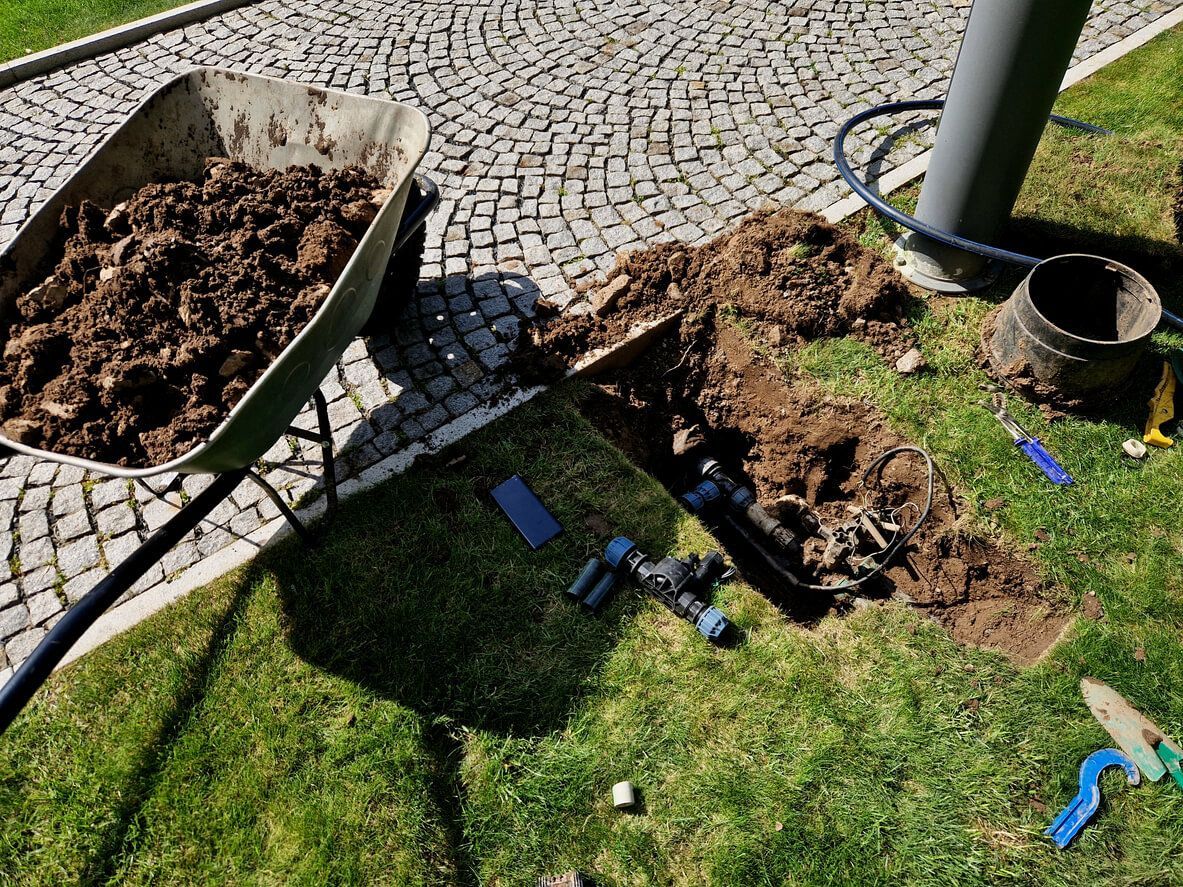
Sprinkler pipe lives in the top foot of soil, so dig by hand near the zone you are working in and take it slowly. Watch for valve boxes and for any pipe that shows up in the hole.
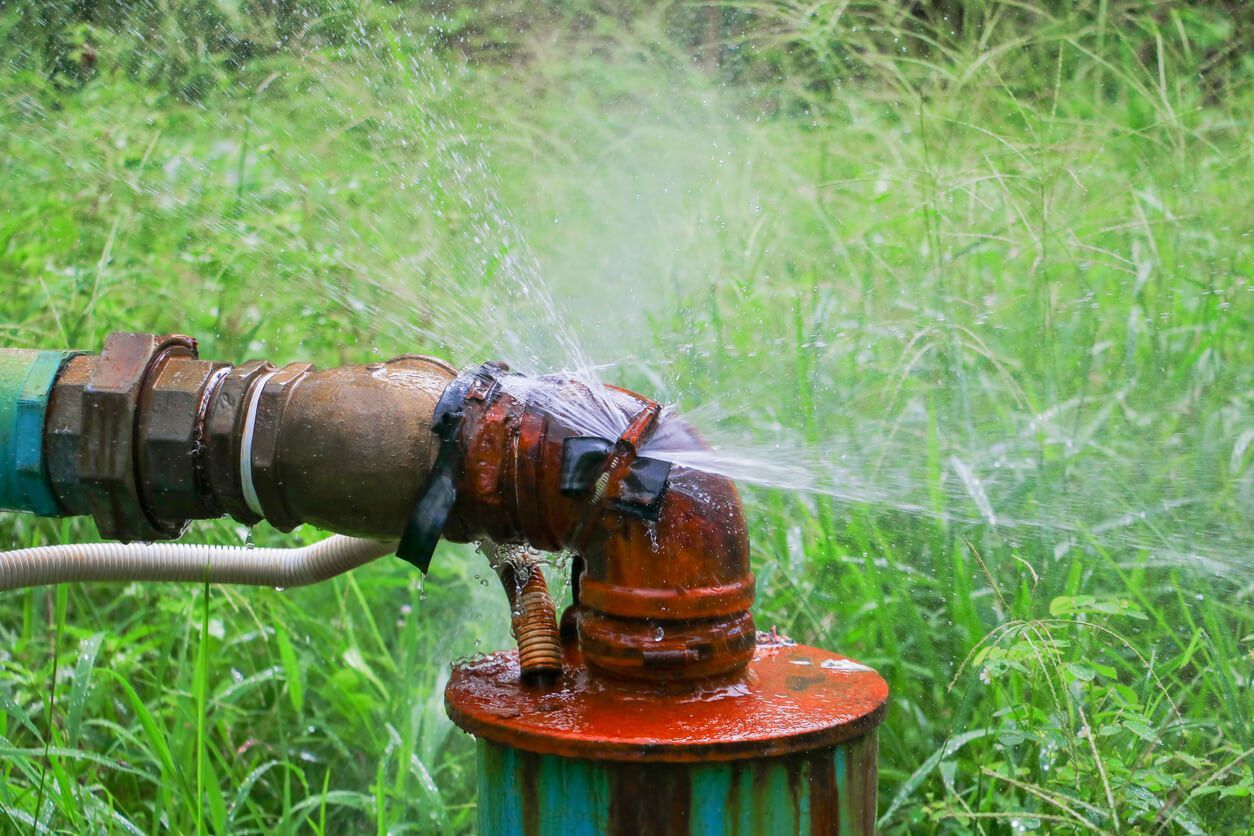
If a line does get hit, the signs are easy to spot. A soggy patch stays wet long after the system shuts off, a brown or dead zone appears despite regular watering, or pressure drops and the heads barely spray. Turn the system off at the controller and leave the pipe alone. A cut or crushed line is a job for a licensed technician through a sprinkler system repair visit, and our guide on how to find an underground sprinkler leak helps you narrow down a slow leak before anyone digs.
Planning a Dig or a New System?
If you just found a damaged line while digging, Texas Sprinkler Pros repairs it for homeowners across San Antonio and the surrounding areas. Our technicians are licensed and insured, under irrigator license IRR-23-0026477. If you are planning a new sprinkler system installation, our licensed team designs each system around your soil and buries every line at the right depth from the start. You can tell us about your yard and ask for a free estimate. Place your 811 call first, since that free service comes from the state's utility owners.