
How to Find a Hidden Underground Sprinkler Leak Before It Ruins Your Yard
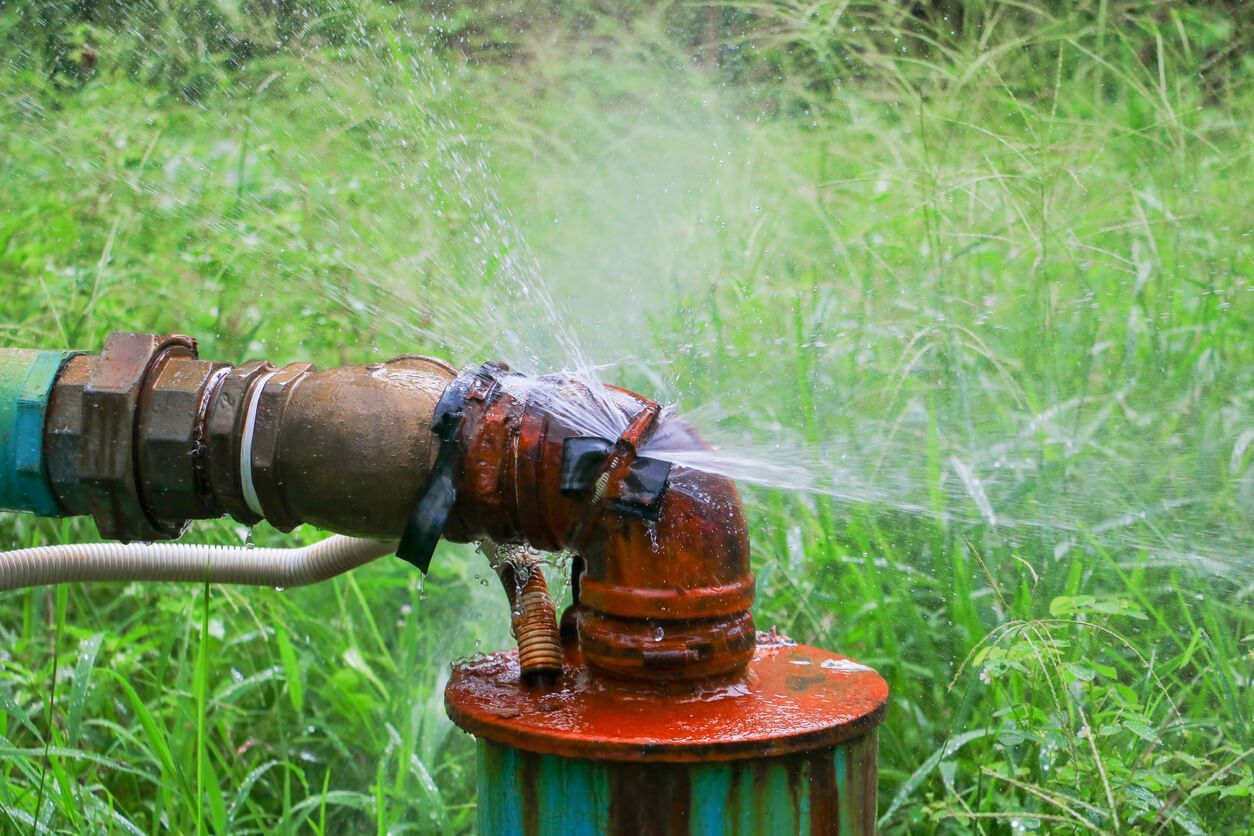
A patch of lawn stays soggy for days after the sprinklers shut off. The water bill climbs and nobody in the house can say why. One strip of grass looks greener than everything around it. Any of these can mean water is escaping from a pipe under the soil, and you can confirm it without picking up a shovel.
This guide shows how to find an underground sprinkler leak in three steps. You start with the clues in your yard, check your water meter to prove a leak exists, and then trace it to a single zone. We also turn the leak into dollars using current San Antonio water rates, so you can see what each month of waiting adds to your bill.
Texas Sprinkler Pros serves San Antonio homeowners who deal with this every summer, when systems run hard and small cracks turn into steady losses. The steps below are calm, practical, and need nothing more than a pen, a flashlight, and a little patience.
Signs of a Hidden Irrigation Leak in Your Yard
Buried pipes give off clues long before water bubbles up to the surface. Knowing the hidden irrigation leak signs saves you from guessing, because most of them show up in the lawn or on your bill. Walk your property in the morning, a few hours after the system has run, and look for these:
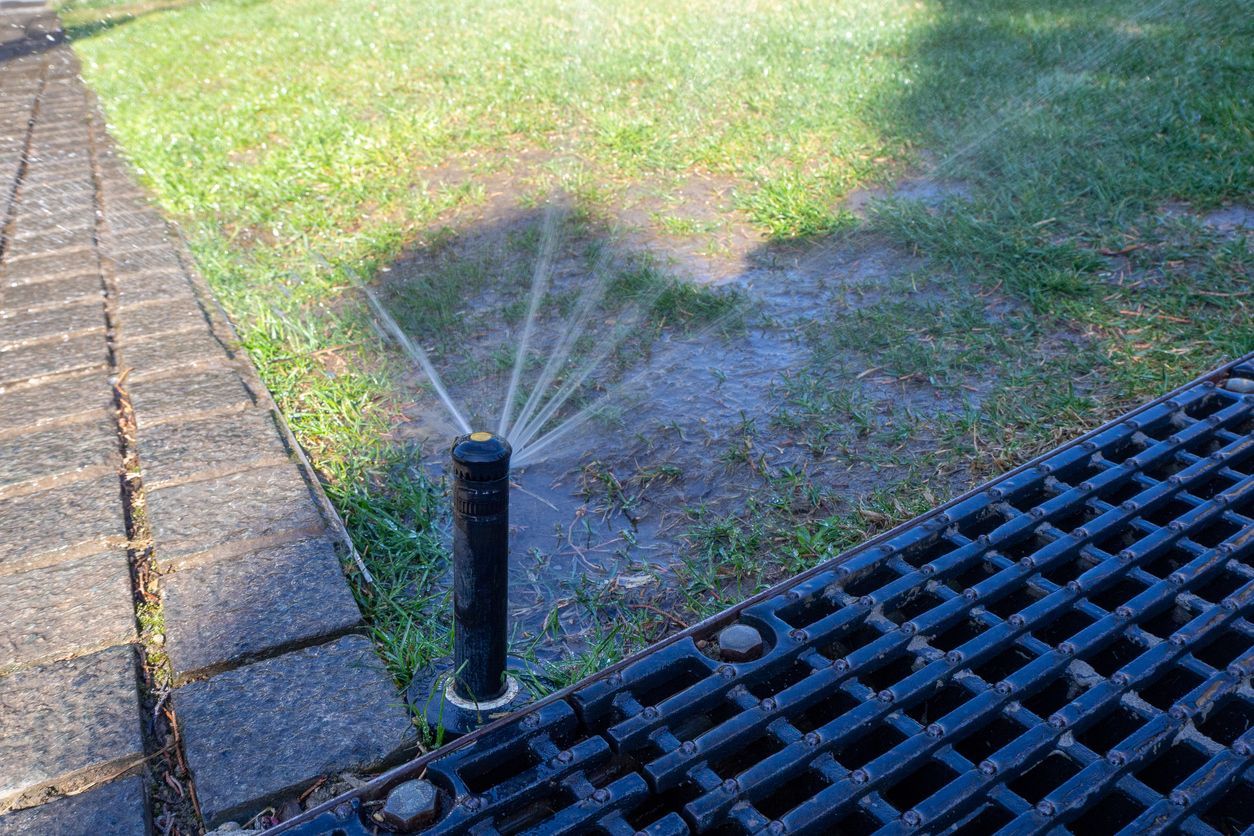
- A soggy or squishy patch that stays wet a day or more after the sprinklers have been off
- A strip of grass that looks greener and thicker than the lawn around it
- Sunken spots or small holes in the turf where soil has washed away from a pipe
- Mold, algae, mushrooms, or a musty smell near the lawn or around a valve box
- A water bill that jumped with no change in how your household uses water
Leaks are common. The average household's leaks can waste more than 9,300 gallons of water every year, and the soil above a buried pipe hides them well. A lawn can look fine from the patio while a fitting a foot underground loses water around the clock.
A single sign can have another cause. A lush green strip, for example, sometimes comes from a head that oversprays one area. That is why the next two steps matter. The meter tells you whether water is truly leaking, and the zones tell you where.
Confirm It at the Meter Before You Touch a Shovel
Your water meter gives a straight answer, and it takes about two hours. Turn off every use of water in the house, including the dishwasher, washing machine, and ice maker. Switch the irrigation controller off too. Open the meter box, write down the reading, and take a photo so you have a record.
Now wait two hours without using any water inside or outside. Read the meter again. If the number has moved, you probably have a leak somewhere on the property. Check the toilets and faucets first. If the house is dry, the yard is the next place to look.
San Antonio homeowners have a second tool working for them. SAWS has replaced mechanical meters with ConnectH2O electronic meters that record your water use hour by hour. Residential customers receive an alert when continuous use of five gallons or more per hour runs for more than 48 hours straight. Depending on the contact details SAWS has on file, that alert arrives as an email, a text, an automated call, or a letter in the mail. In 2024 SAWS sent 58,000 of these alerts, so many households see one.
If you get a message about continuous use, treat it as a reason to run the two-hour check that day. You can also log in to your SAWS My Account and look at your hourly use. Water use that never drops to zero overnight points to something running when it should not be.
Prefer to start with paperwork? Pull up your bill from a cold month like January or February. The EPA notes that a family of four using more than 12,000 gallons in a month could have serious leaks, since winter is when the lawn needs the least water.
Isolate Which Zone Is Leaking
Once the meter confirms a leak, the sprinkler zones help you narrow it down. Each zone runs on its own line from a valve, so you can test them one at a time and watch what the water does.
Begin at the valve boxes with every zone off. Lift the lids and look for standing water, and check the soil around them. Water pooling in a box or wet ground near it while the system is idle points to a valve or to the pressurized line that feeds the valves.
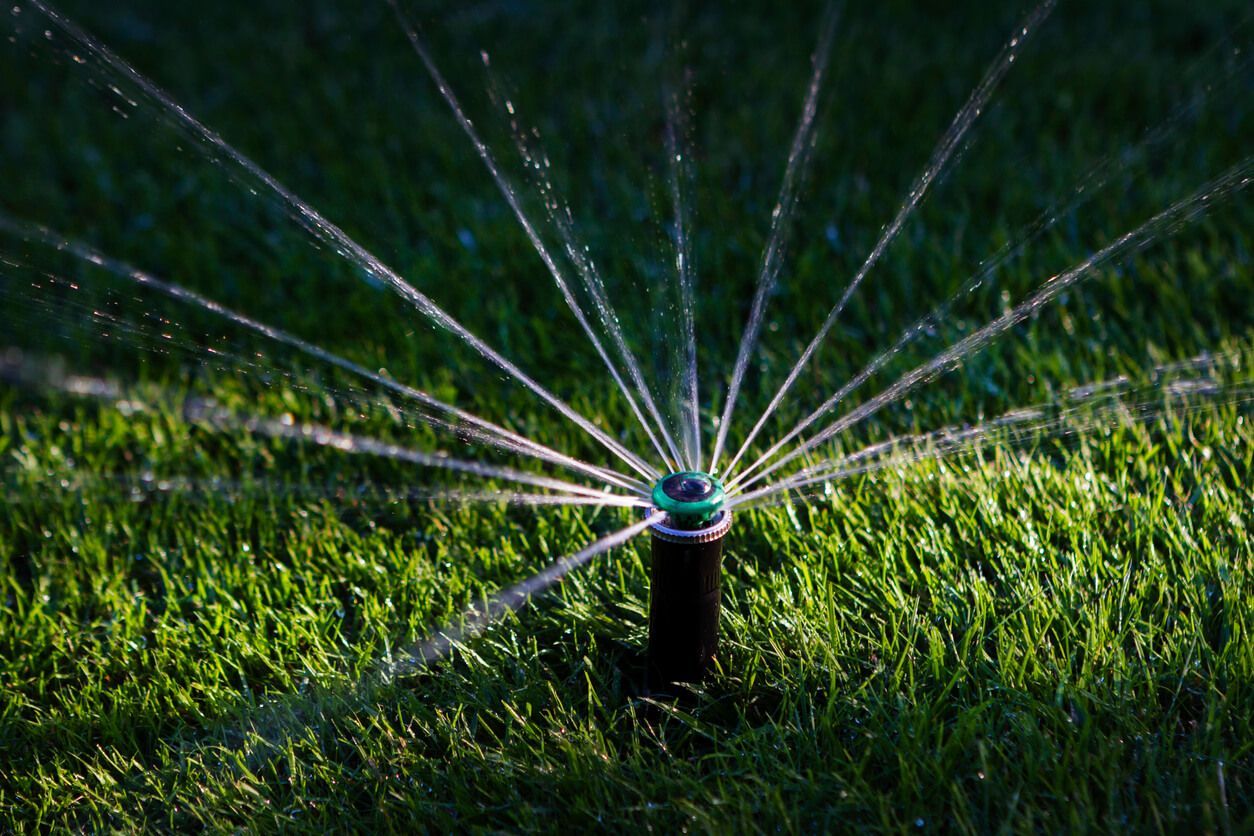
Next, run each zone by hand from the controller for a few minutes, starting with zone one. Walk the line while it runs. Watch the heads for weak spray, heads that barely pop up, and heads that do not spray at all. Water leaves through a break before it reaches the heads farther down the pipe, so pressure drops after the leak. The problem sits on the stretch of pipe between the last healthy head and the first weak or dead one.
Keep your eyes on the ground as well. A spot that turns soggy, bubbles, or pools while the zone runs, and dries out when the zone stops, marks a likely break. Push a flag or a spoon handle into the soil to mark it, then move on to the next zone and repeat. Testing every zone shows you which line is losing water.
If you need to dig to expose a pipe, call 811 first so utility lines are located and marked. Dig by hand and go slowly, working near the valve boxes and your marked spot instead of opening trenches across the whole yard.
High Water Bill? Here's What a Hidden Sprinkler Leak Is Actually Costing You
High water bill sprinkler troubleshooting starts with knowing what the leak is worth. The EPA reports that an irrigation system with a leak 1/32 inch wide, about the thickness of a dime, can waste about 6,300 gallons of water per month.
SAWS bills water in tiers. For 2026, inside city limits, the volume charge per 1,000 gallons is $0.907 up to 4,000 gallons, $1.678 from 4,000 to 7,000, $3.039 from 7,000 to 12,000, $3.991 from 12,000 to 20,000, and $5.669 above 20,000. Leaked water adds to your normal use, so those extra gallons usually land in the upper tiers.
Here is the math. A household whose usage sits in the 7,000 to 12,000 gallon block pays $3.039 for each 1,000 gallons, so 6.3 thousand gallons of leak adds about $19 a month. In the 12,000 to 20,000 block at $3.991, the same leak adds about $25. A home already past 20,000 gallons pays $5.669, which brings the leak to roughly $36 a month.
Those numbers add up. At $19 to $25 a month, six months of an unnoticed dime-sized leak costs about $115 to $150 in water volume charges, and larger breaks cost more. Finding the leak early keeps that money in your pocket and keeps the soil around your lawn from staying saturated.
When It's Time to Call a Professional
Some leaks are easy to find with a meter and a walk across the lawn. Others need better tools. Professionals use acoustic listening equipment that picks up the sound of water escaping underground, which pinpoints a leak without repeated digging.
Call a licensed irrigation technician when the meter shows a leak but you cannot find a wet spot, or when your zone testing points to a line running under a driveway, patio, or foundation. Those spots are difficult to reach without the right equipment, and a technician can locate the break before anything gets opened up.
Texas Sprinkler Pros offers a sprinkler system repair service in San Antonio that includes valve repair and leak detection. Our technicians are licensed and insured, and our repairs carry a 1-year warranty. Bring your meter readings and the zone you suspect, and we will take it from there.
If your meter is moving or one zone looks off, you can
schedule a free estimate and get the answer without guessing.